Heating and cooling account for nearly half of the average North Carolina home's energy costs. In the Raleigh-Durham Triangle, where summers are brutal and winters can surprise you, even small changes to how you run your HVAC system can add up to hundreds of dollars in savings per year.
Here are 10 proven ways to cut your energy bills without sacrificing comfort.
1. Change Your Air Filter Regularly
This is the single easiest thing you can do. A dirty filter forces your system to work harder, using more energy. Check it monthly and replace it every 1–3 months depending on your household (pets, allergies, and dust levels affect how fast it clogs). A clean filter can reduce energy consumption by 5–15%.
2. Install a Smart Thermostat
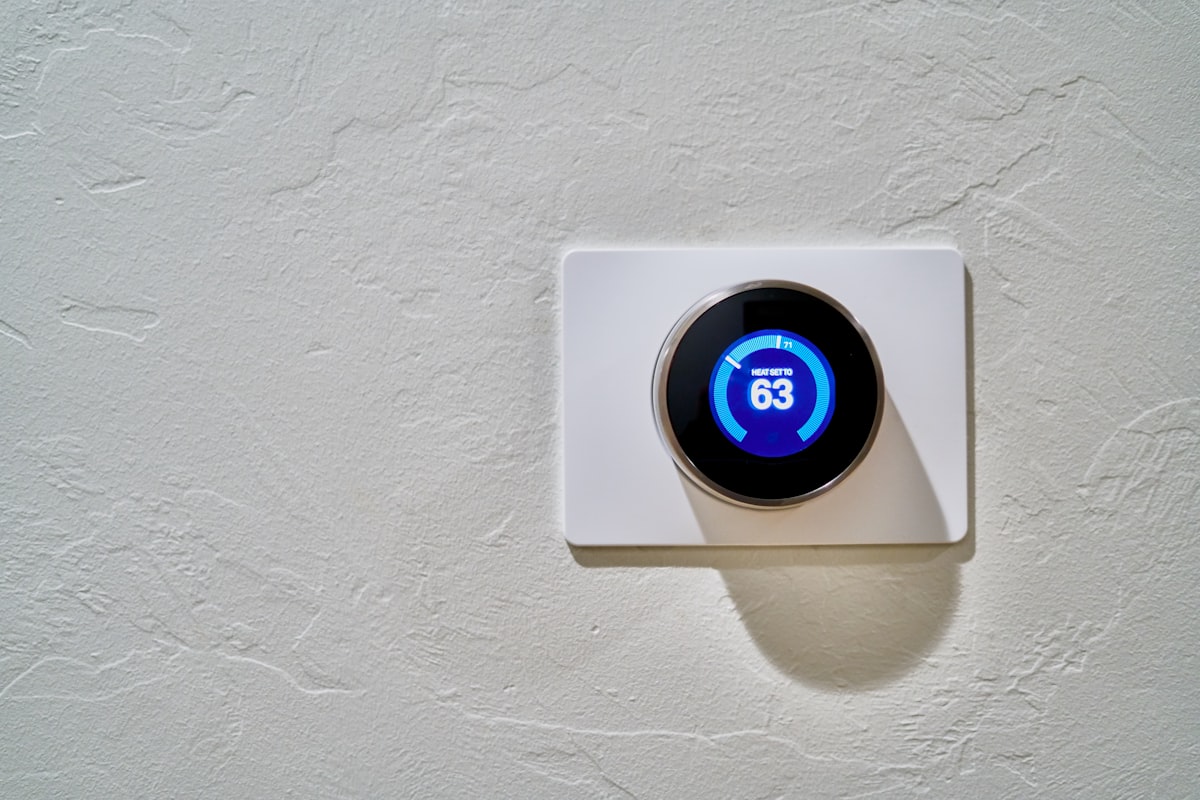
A smart thermostat learns your schedule and adjusts temperatures automatically. The Department of Energy estimates you can save about 10% per year just by setting your thermostat back 7–10°F for 8 hours a day. Smart thermostats do this without you having to think about it. Popular options include Nest, Ecobee, and Honeywell Home.
3. Don't Set It and Forget It — Set It Smart
During summer, set your thermostat to 78°F when you're home and 85°F when you're away. In winter, aim for 68°F when home and 60°F when away or sleeping. Every degree of adjustment saves about 1–3% on your bill. Use ceiling fans to feel cooler without lowering the thermostat.
4. Seal Air Leaks
Air leaks around windows, doors, electrical outlets, and plumbing penetrations let conditioned air escape and hot/cold outdoor air in. Caulking and weatherstripping these leaks is inexpensive and can reduce heating and cooling costs by 10–20%. Pay special attention to attic access doors, recessed lights, and where pipes/wires enter the house.
5. Seal and Insulate Ductwork
Leaky ducts in attics and crawlspaces can waste 20–30% of the air your system produces. That's like throwing away a quarter of every energy dollar. Professional duct sealing and insulation is one of the highest-ROI home improvements you can make.
6. Schedule Annual Maintenance
A well-maintained system runs more efficiently than a neglected one. During a professional tune-up, your technician cleans coils, checks refrigerant, tightens connections, and optimizes performance. This keeps your system running at peak efficiency and prevents the gradual decline that drives up energy costs. Learn more about why maintenance plans pay for themselves.
7. Use Ceiling Fans Strategically
In summer, ceiling fans should spin counterclockwise to push air down, creating a wind-chill effect that lets you raise the thermostat 4°F without feeling warmer. In winter, reverse them to clockwise on low speed to push warm air down from the ceiling. Remember: fans cool people, not rooms — turn them off when you leave.
8. Close Blinds and Curtains
Solar heat gain through windows is a major cooling load in NC summers. Close blinds on south- and west-facing windows during the hottest parts of the day. In winter, open south-facing curtains during the day to let free solar heat in, then close them at night for insulation.
9. Upgrade to a High-Efficiency System
If your system is more than 12–15 years old, a modern high-efficiency replacement can cut your energy bills by 30–50%. Today's heat pumps and central AC units are dramatically more efficient than models from even a decade ago. Factor in available tax credits and rebates and the payback period can be surprisingly short. Use our HVAC calculator to estimate sizing and savings.
10. Don't Heat or Cool Unused Spaces
Close vents in rarely used rooms (but don't close more than 20% of vents — too many closed vents creates pressure problems). Better yet, consider a mini-split system for zone control that lets you heat or cool only the spaces you're actually using.
Bonus: Check Your Attic Insulation
In older Triangle homes, inadequate attic insulation is extremely common. If you can see the joists in your attic, you need more insulation. NC homes should have R-38 to R-60 attic insulation. Adding insulation is relatively inexpensive and can dramatically reduce how hard your HVAC system has to work.
Need Help Optimizing Your System?
At Frost Fire Heating & Cooling, we help homeowners in Garner, Raleigh, Durham, Clayton, Fayetteville, and the surrounding area get the most out of their HVAC systems. Whether you need a tune-up, a thermostat upgrade, duct sealing, or a full system replacement, we provide honest advice and transparent pricing — same price on Sundays.
Ready to Lower Your Energy Bills?
Call Frost Fire for a free consultation. We'll find the best ways to save on your specific home.
📞 Call (919) 230-4439